

Avoid Common Pitfalls and Build with Confidence: How to Choose the Right Contractor for Your Iowa Dream Home
Key Takeaways
- A general contractor manages construction and subcontractors, but may not handle design or coordination.
- Verify licensing, insurance, and local registrations through the Iowa Division of Labor.
- Transparent pricing and detailed contracts protect you from delays and budget surprises.
- Strong communication, references, and a trusted subcontractor network are signs of a reputable contractor.
- For fully custom homes, a design-build firm can streamline the planning, communication, and project execution process.
- Custom Pro Homes offers a design-build model that unites vision and construction under one trusted roof.
Introduction
Choosing the right general contractor is one of the most important decisions you’ll make when building a custom home. The difference between a smooth, rewarding experience and a stressful, expensive one often comes down to who’s managing your project. And in a competitive market like Iowa, where quality, transparency, and trust are more important than ever, knowing what to look for is crucial.

At Custom Pro Homes, we’ve worked with clients who came to us after disappointing starts with other contractors, and we’ve also worked with trade partners and subcontractors across the region. Therefore, we understand what distinguishes a reliable builder from a risky one. Whether you’re comparing contractors or exploring design-build firms like ours, this guide will walk you through the top 10 things to look for in a general contractor for your custom home build.
1. Understand What a General Contractor Actually Does
A general contractor (GC) is the primary person responsible for executing your home construction. They manage subcontractors, schedule work, order materials, and oversee the job site. While some general contractors offer light design services or plan modifications, most focus on the construction side of the build, not the creative vision or pre-construction strategy.

That’s why many clients today are opting for the design-build approach instead. At Custom Pro Homes, we bring architecture, interior design, project management, and construction together under one roof. This eliminates communication gaps between designer and builder, and keeps your project moving from concept through completion.
If you’re comparing options, be sure to understand what a GC handles—and what they may leave up to you. Do they provide 3D plans? Do they coordinate finishes? Or will you be expected to manage that on your own?
2. Confirm Licensing and Insurance Requirements
In Iowa, all general contractors must be registered with the Iowa Division of Labor. They must also carry proper insurance, namely, general liability and workers’ compensation. Don’t be afraid to ask for proof. A reputable contractor will have no issue providing documentation.
Why does this matter? If a contractor lacks coverage and someone gets injured on your property—or something goes wrong—you could be held liable. It’s not just about protecting your investment; it’s about protecting yourself legally and financially.
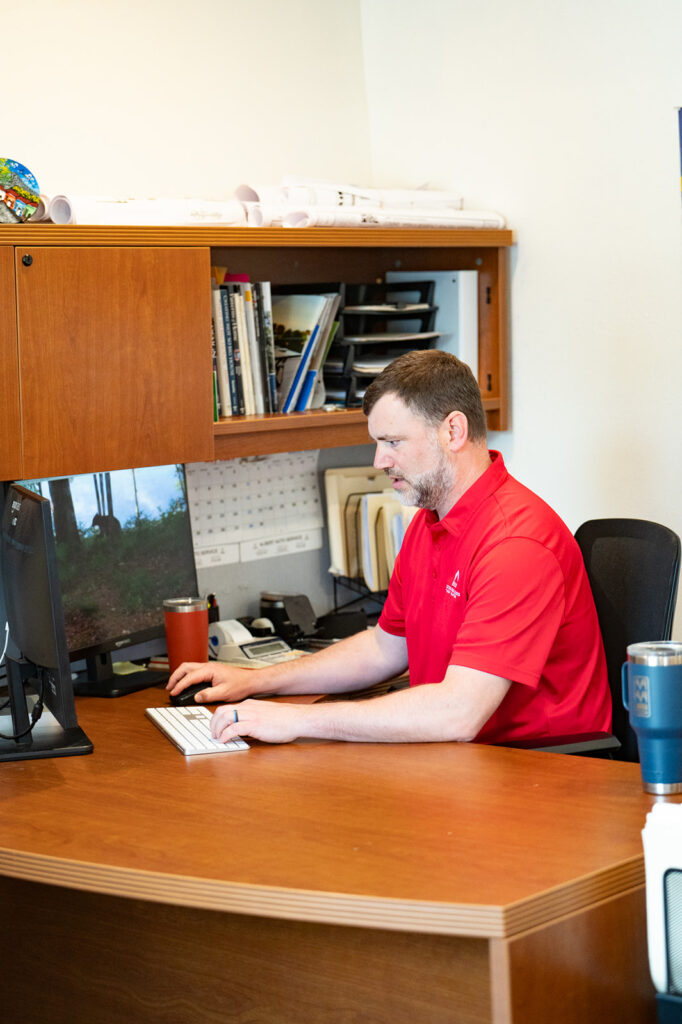
At Custom Pro Homes, we’re fully licensed, bonded, and insured in the state of Iowa. We take compliance seriously, and we ensure every partner or subcontractor we work with does the same. It’s part of our commitment to building with integrity.
3. Look for Transparent Pricing and Clear Contracts
One of the most common stress points during a custom build? Budget surprises. That’s why transparent pricing is non-negotiable when hiring a general contractor. Look for a GC who provides a detailed, line-by-line estimate—not just a lump sum or vague “starting at” figure.
A clear, comprehensive contract should include:
- Scope of work and timelines
- Payment schedules and deposit terms
- Change order policies (what happens when something changes mid-project)
- Material allowances and finish options
According to This Old House, a good contractor welcomes questions and is upfront about how they handle estimates, delays, and decisions. If a contractor avoids specifics or pressures you to “trust them,” consider it a red flag.
At Custom Pro Homes, we build transparency into every stage. Our clients get access to real-time cost tracking and construction milestones, so nothing is left to guesswork. It’s how we build trust—and homes that meet your vision and your budget.
4. Evaluate Their Project Management Style
Not all general contractors manage projects the same way. Some are hands-on and personally visit the site daily. Others rely entirely on subcontractors with little direct oversight. Understanding how a contractor manages time, communication, and scheduling is crucial to a successful construction project.
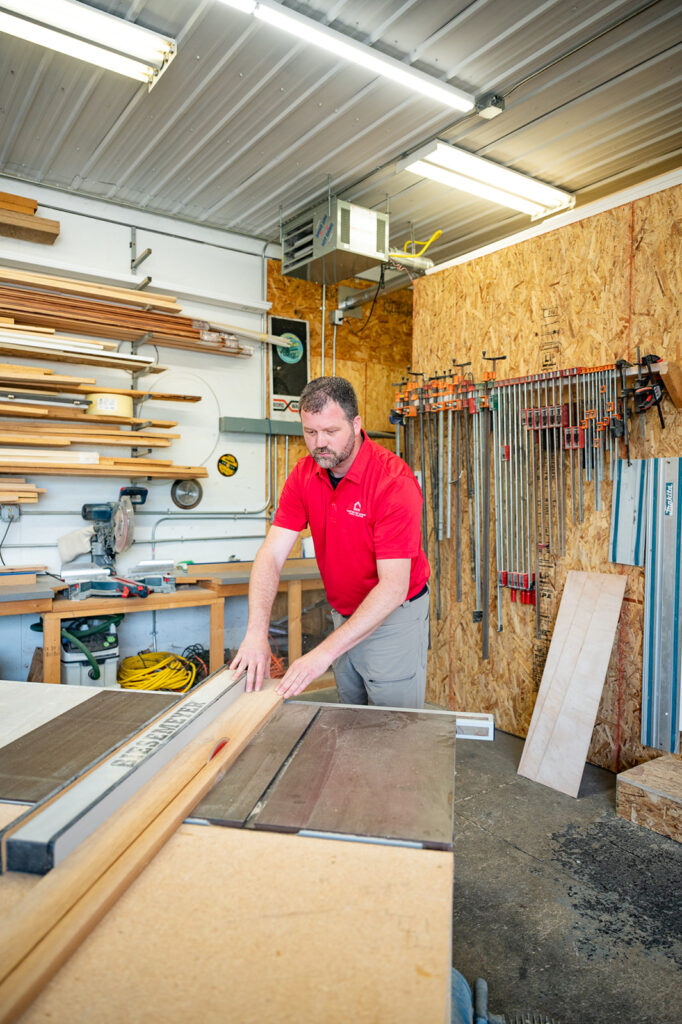
Key questions to ask include:
- Will you have a dedicated project manager?
- How are timelines tracked and communicated?
- How are subcontractors vetted, scheduled, and held accountable?
General contractors often juggle multiple jobs simultaneously, so ensure yours has a system in place to keep your projects on track. Missed deadlines or uncoordinated trades can quickly snowball into costly delays.
By contrast, our team at Custom Pro Homes employs an integrated, streamlined approach, where planning, communication, and quality control are all conducted under one roof. Every client has a dedicated contact and access to our full design-build team from day one. That means fewer handoffs, fewer surprises, and a smoother path from blueprint to move-in.
5. Ask About Communication and Collaboration
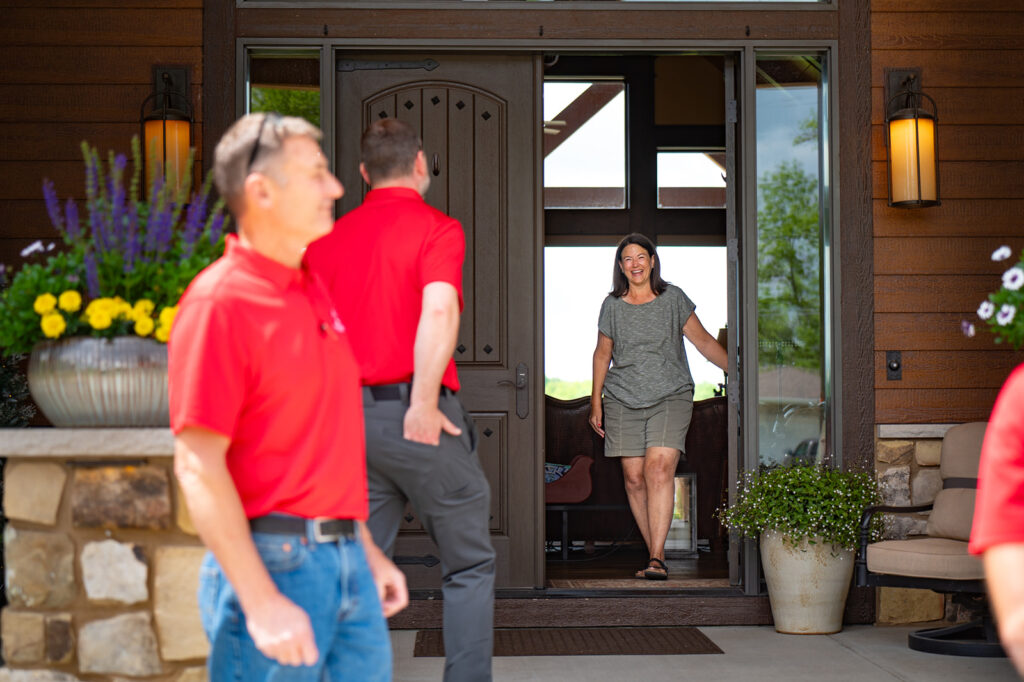
Communication can make or break your home-building experience. A general contractor might be highly skilled—but if they’re hard to reach, vague in their updates, or slow to respond when something goes wrong, it creates frustration fast.
When interviewing potential contractors, ask:
- How often will we meet or receive updates?
- Will I have one point of contact or multiple?
- How do you track progress or changes during construction?
The answer should include regular updates, clear points of contact, and a documented method of tracking progress. A contractor who “wings it” is a liability on a custom build where hundreds of decisions unfold over many months.
At Custom Pro Homes, every client receives proactive communication through a dedicated project lead. You’ll know what’s happening at every phase—from the moment you sign the contract to the final walk-through. That’s the power of our design-build process—designers and builders collaborating under one roof to keep things clear and consistent.
6. Check Their Portfolio and References
Anyone can say they build great homes—but can they show you? A quality contractor should be eager to share a portfolio of completed custom homes and put you in touch with past clients. This allows you to:
- Confirm they’ve handled projects similar to yours
- Review attention to detail in materials and finishes
- Hear firsthand how they handled challenges or changes
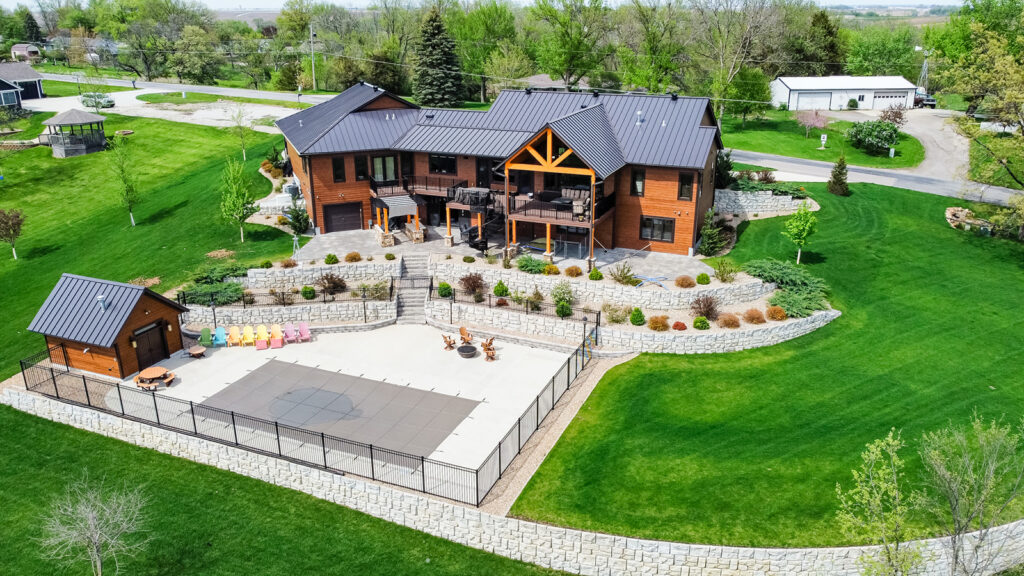
You should also ask to see photos or videos of in-progress work—not just finished shots. That reveals how they manage the job site, subcontractors, and timeline.
At Custom Pro Homes, we’re proud of the homes we build—and the relationships we build along the way. Many of our clients return to us for second projects or refer friends and family. That’s the real test of a builder’s reputation.
7. Understand Their Subcontractor Network
A general contractor is only as strong as the tradespeople they rely on. Plumbing, electrical, drywall, HVAC, roofing—each piece of your custom home depends on subcontractors doing their part with precision, professionalism, and timing.
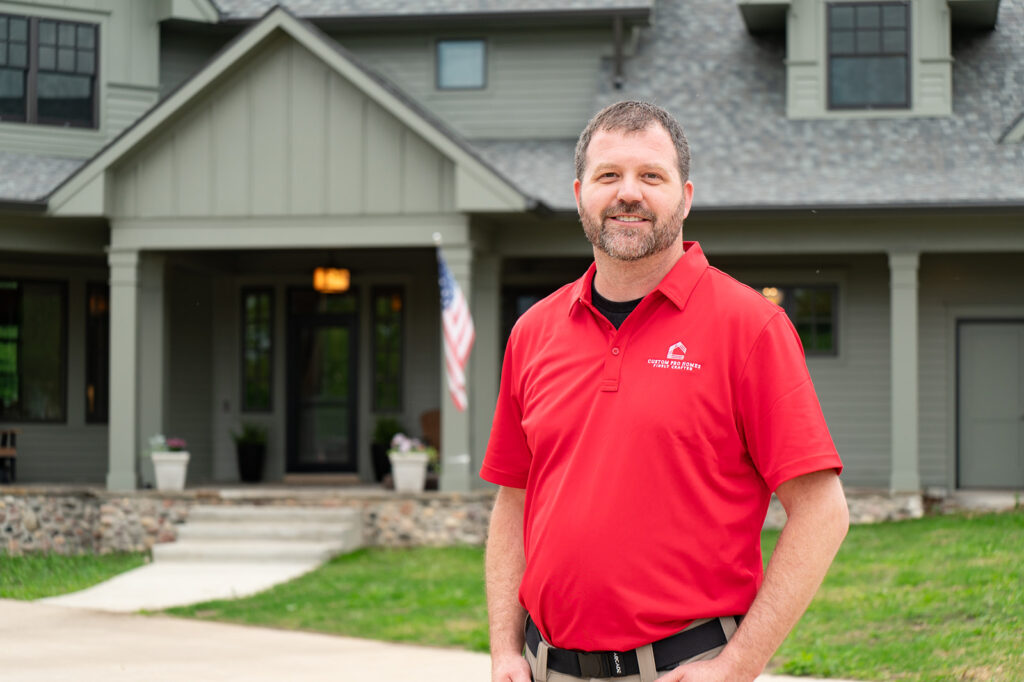
When vetting contractors, ask:
- Do you use the same subcontractors regularly?
- Are they licensed and insured in Iowa?
- How long have you worked with them?
Established relationships with vetted subs can make your build faster, smoother, and more consistent. A revolving door of new vendors, on the other hand, often signals trouble—delays, miscommunication, or inconsistent quality.
Custom Pro Homes works with a carefully selected group of local trades who know our standards and scheduling systems. That consistency helps ensure our projects stay on time and on point—without cutting corners.
8. Evaluate Their Fit for Custom Projects

Not all contractors are equipped to handle the demands of a fully custom home. Many are used to building from predefined templates, where the floor plan, materials, and finishes are already selected. But a truly custom build involves ongoing problem-solving, collaboration, and attention to detail from start to finish.
Here’s how to tell if a contractor is truly “custom” ready:
- Have they executed varied and unique floor plans?
- Can they adapt midstream when design changes happen?
- Are they involved in creative decisions or just construction logistics?
If they seem rigid, vague, or uncomfortable with open-ended choices, they may not be the right fit for your vision.
At this stage, many Iowa homeowners find that a design-build firm offers a better fit—combining in-house creativity with proven construction systems. Explore how our integrated model works →
9. Know When to Choose a Design-Build Firm Instead
If the idea of juggling designers, contractors, and timelines sounds overwhelming, you’re not alone. That’s exactly why many Iowa homeowners opt for a design-build firm rather than a traditional general contractor. In this model, the same team handles your layout, material selections, budget, and construction, all under one contract.
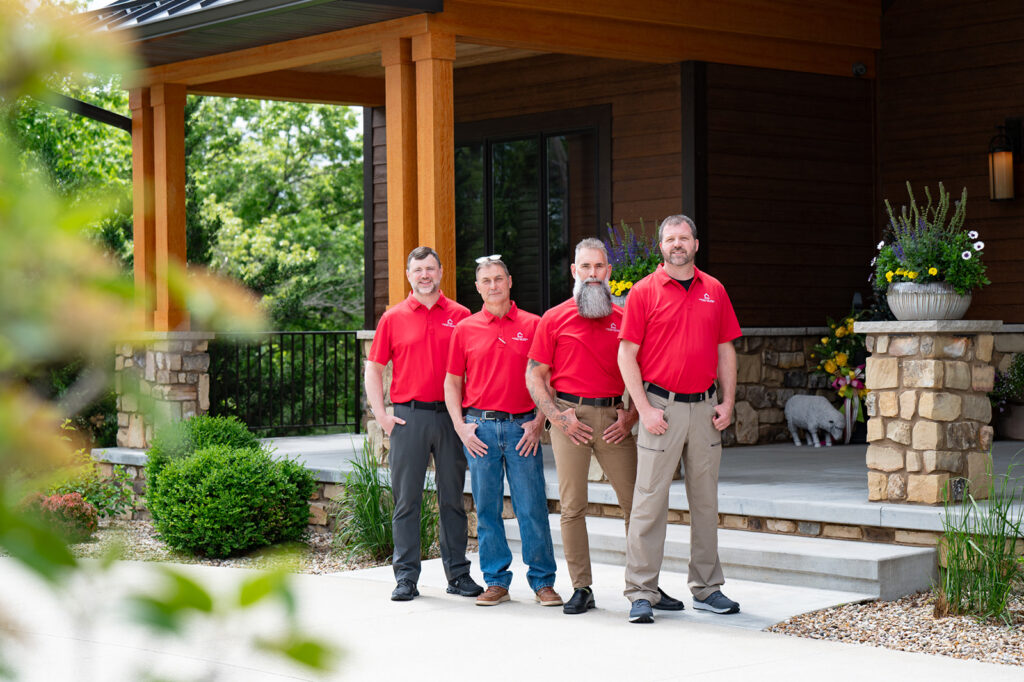
The benefits include:
- Simplified communication with one dedicated team
- Streamlined decision-making, since design choices and construction logistics are aligned from the beginning
- More accurate pricing, thanks to real-time input from construction professionals during the design phase
- Fewer surprises, because there’s no gap between designer intent and builder execution
If you’re building a truly custom home—where the layout is tailored and your selections matter—the design-build model is often the most efficient and stress-free option. You can learn more about our approach to integrated homebuilding here.
10. Questions to Ask Before You Sign
Before committing to any contractor, ask the tough questions—because the right builder won’t be afraid to answer them.
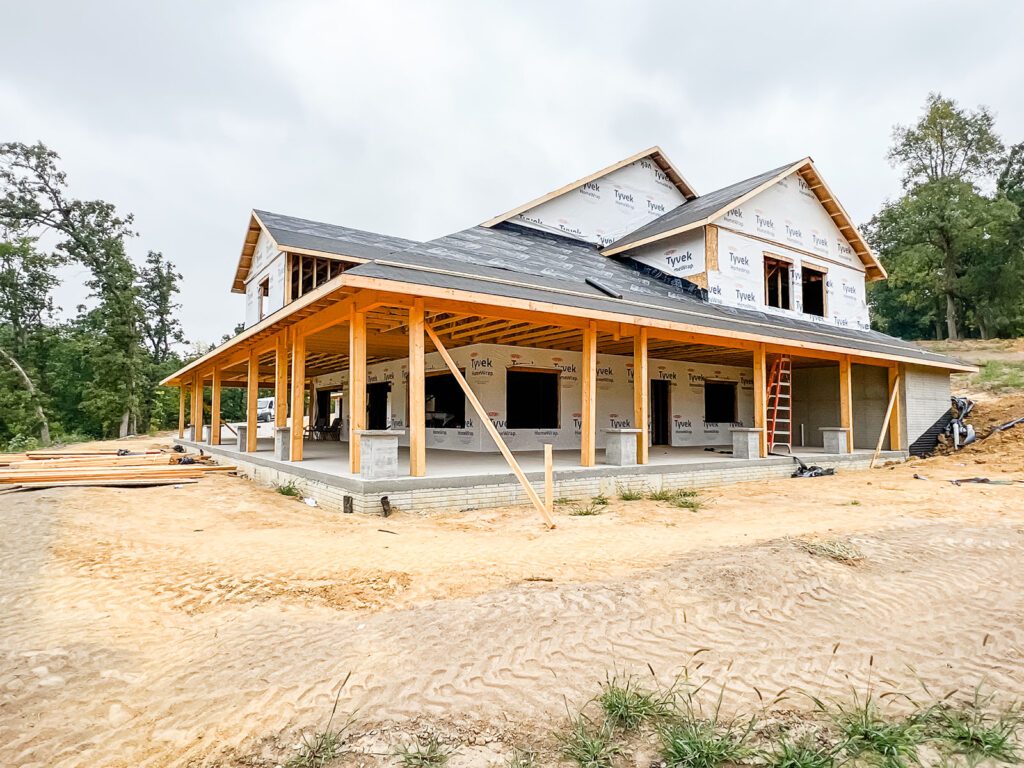
Here are key questions to include in your contractor interview:
- What is your process for handling change orders?
- Can you provide a detailed bid or itemized estimate?
- How do you resolve conflicts with subs or clients?
- What’s the average duration of your custom builds?
- Who will be my primary point of contact?
- Are permitting and inspections handled in-house?
Don’t rush the vetting process. A reputable contractor will welcome these discussions and take the time to build clarity and confidence. If you’re feeling unsure about a bid or overwhelmed by the unknowns, you’re not alone, and there are alternatives.
We invite you to start with a no-pressure conversation. Whether you’re just comparing contractors or ready to start designing, you can contact us here to get clear answers and expert insight.
Conclusion
Hiring the right contractor isn’t just about checking licenses or comparing price tags—it’s about finding a professional who understands the vision, scope, and complexity of building a truly custom home. From communication and scheduling to material choices and budget transparency, every interaction matters.
For many homeowners, working with a traditional general contractor can feel like juggling too many pieces without a clear guide. That’s why more and more Eastern Iowa families are turning to design-build firms like Custom Pro Homes, where a single, experienced team manages every phase.
If you’re looking for a trusted partner to bring your custom home to life—with fewer headaches and more confidence—we’re here to help.
Schedule a consultation today →
Frequently Asked Questions
Q: What’s the difference between a general contractor and a design-build firm?
A: A general contractor typically oversees construction only, while a design-build firm handles both design and construction under one roof, streamlining communication, budgeting, and timelines.
Q: Is it more expensive to use a design-build firm?
A: Not necessarily. In fact, many homeowners save money by avoiding change orders, project delays, and miscommunication between separate teams. The upfront clarity of a design-build process often results in fewer surprises.
Q: What credentials should I look for in a contractor in Iowa?
A: Contractors must be registered with the Iowa Division of Labor and carry proper insurance, including general liability and workers’ comp.
Q: Can I switch to a design-build firm after already talking with a contractor?
A: Yes. Many homeowners explore various options before deciding on what feels right. If you’re early in the process, a design-build team can take over planning and execution without needing to start from scratch.
Q: How long does a custom home build typically take?
A: Timelines vary, but most custom homes in Iowa take 8–12 months from design approval to final walk-through. At Custom Pro Homes, we provide a clear, phase-based schedule upfront.

